
How can I file a complaint or seek redressal for labor law violations?
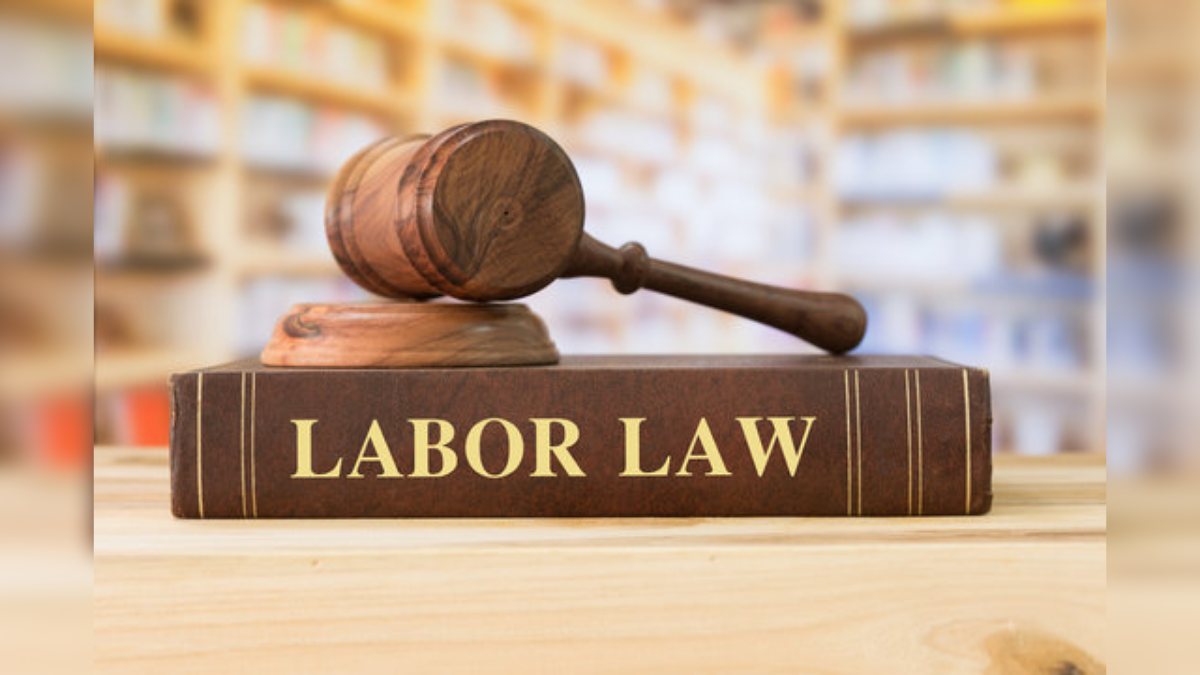
How can I file a complaint: Labor laws are designed to protect the rights of workers and ensure fair employment practices. However, violations do occur, leaving employees feeling vulnerable and aggrieved. Therefore, understanding the process for filing a complaint and seeking redressal is crucial. The Madras Law Forum, a respected legal resource in Chennai, provides valuable insights into this process. This article outlines the steps you can take to address labor law violations, emphasizing clarity and accessibility.
How Can I File a Complaint or Seek Redressal for Labor Law Violations: Madras Law Forum
Understanding Labor Law Violations: Identifying Your Rights
Firstly, it's essential to recognize what constitutes a labor law violation. Common violations include non-payment of minimum wages, denial of overtime pay, unsafe working conditions, and wrongful termination. For example, if your employer fails to provide mandated leave or discriminates against you based on gender or caste, these actions may violate your rights. Moreover, issues like forced labor, child labor, and denial of statutory benefits also constitute serious breaches of labor laws.
Furthermore, it's crucial to be aware of the specific laws that apply to your situation. Consequently, the Industrial Disputes Act, 1947, the Minimum Wages Act, 1948, the Factories Act, 1948, and the Code on Wages, 2019 are some of the key legislations that protect workers' rights. Subsequently, understanding these laws will help you determine the appropriate course of action.
Gathering Evidence: Building Your Case
Indeed, before filing a complaint, you must gather all relevant evidence. Thus, this includes employment contracts, pay slips, attendance records, and any written communication with your employer. For instance, if you're claiming unpaid wages, pay slips and bank statements are essential. Moreover, if you're alleging unsafe working conditions, photographs, videos, and witness statements can strengthen your case.
Furthermore, maintain a detailed record of all incidents, including dates, times, and descriptions of events. Consequently, this documentation will serve as crucial evidence during the complaint process. Subsequently, it is also important to document any attempts that you have made to resolve the problem with your employer.
Filing a Complaint: Reaching the Appropriate Authorities
Specifically, the process for filing a complaint varies depending on the nature of the violation. Therefore, you can approach the labor department, the National Green Tribunal (NGT) for environment related labour issues, or file a complaint with the police in cases of criminal offenses. For example, for wage-related disputes, you can file a complaint with the Assistant Labour Commissioner. Moreover, for safety violations in factories, you can approach the Inspector of Factories.
Similarly, in cases of sexual harassment at the workplace, you can file a complaint with the Internal Complaints Committee (ICC) established under the Sexual Harassment of Women at Workplace (Prevention, Prohibition and Redressal) Act, 2013. Consequently, you can also file a police complaint if the harassment constitutes a criminal offense. Subsequently, you may also choose to file a case in the relevant labour court.
The Role of the Madras Law Forum: Providing Guidance and Support
Additionally, the Madras Law Forum plays a vital role in providing guidance and support to workers seeking redressal for labor law violations. Instead of navigating the legal system alone, you can seek assistance from experienced lawyers and legal experts. For example, they can help you understand your rights, gather evidence, and draft your complaint. Furthermore, they can represent you in conciliation proceedings and labor court hearings.
Moreover, the forum conducts workshops and seminars to raise awareness about labor laws and workers' rights. Consequently, they provide valuable resources and information to help workers understand the legal process. Subsequently, they also offer pro bono legal services to those who cannot afford legal representation.
Conciliation and Adjudication: Seeking a Resolution
To illustrate, once a complaint is filed, the labor department or other relevant authority may initiate conciliation proceedings. Thus, this involves a meeting between the employer and employee to attempt to resolve the dispute amicably. For instance, the conciliation officer may mediate between the parties and help them reach a settlement. Moreover, if conciliation fails, the matter may be referred to a labor court or industrial tribunal for adjudication.
Furthermore, during the adjudication process, both parties will present their evidence and arguments before the court. Consequently, the court will then issue a judgment or award, which is legally binding. Subsequently, if either party is dissatisfied with the judgment, they may appeal to a higher court.
The Importance of Timely Action and Legal Counsel
Ultimately, timely action is crucial in addressing labor law violations. For workers, it is important to file a complaint as soon as possible to ensure that evidence is preserved and witnesses are available. It also prevents the statute of limitations from expiring. Additionally, seeking legal counsel from organizations like the Madras Law Forum can significantly improve your chances of success.
Frequently Asked Questions
A: Common violations include unpaid wages, denial of overtime, unsafe working conditions, wrongful termination, discrimination, and denial of statutory benefits like leave or provident fund. These breaches undermine workers' rights and are actionable.
A: Gather employment contracts, pay slips, attendance records, written communication with your employer, photographs/videos of unsafe conditions, and witness statements. Document dates, times, and descriptions of incidents. This evidence strengthens your case.
A: You can file complaints with the Assistant Labour Commissioner for wage issues, the Inspector of Factories for safety violations, the Internal Complaints Committee (ICC) for sexual harassment, or the police for criminal offenses. Labour courts and tribunals are also options.
A: The Madras Law Forum offers legal guidance, helps gather evidence, drafts complaints, represents you in conciliation and court hearings, conducts awareness workshops, and provides pro bono legal services to those who cannot afford representation.
A: The authority may initiate conciliation, attempting an amicable resolution. If that fails, the matter goes to adjudication in a labor court or tribunal. Both parties present evidence, and the court issues a legally binding judgment. You can appeal if dissatisfied.
Conclusion
In conclusion, addressing labor law violations requires a clear understanding of your rights, meticulous documentation, and timely action. The Madras Law Forum provides invaluable support to workers in Chennai, helping them navigate the legal process and seek redressal. Therefore, by understanding the steps involved and seeking expert legal guidance, you can ensure that your rights are protected and justice is served.
Read More
- Are there any alternative dispute resolution mechanisms available for civil cases in India? Expert Advice
- Filing a Criminal Complaint FIR (First Information Report): Expert Advice
- Can workers form trade unions and engage in collective bargaining?
- Can individuals seek remedies through international human rights mechanisms?
- Labor Laws in India | Best Lawyers | Expert Attorney Helpline
- Ministry of Labour & Employment:
Need Help With This Exact Issue?
Send the question directly. Mention your city and the stage of your matter.
Related Reading
This article shares general legal information only. It does not create any advocate-client relationship. Please consult a qualified advocate about your specific circumstances.